
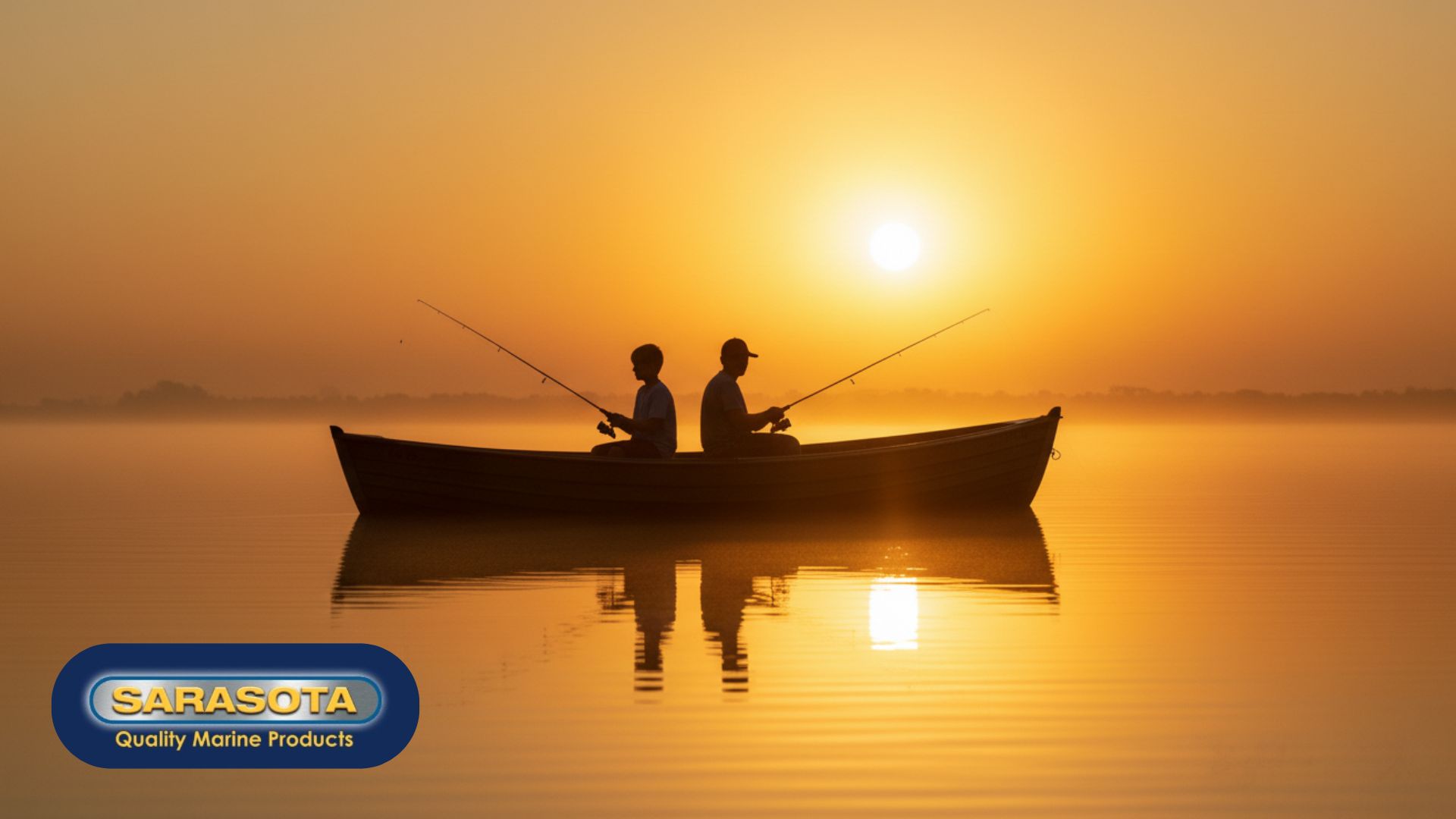
In an era of constant notifications, packed schedules, and mounting stress, more people are discovering what anglers and boaters have known for generations: time on the water isn’t just recreation—it’s therapy. Whether you’re casting a line at dawn, cruising across open water, or simply sitting in a boat watching the horizon, the mental health benefits of boating and fishing are both profound and scientifically backed.
The Science Behind Water and Wellness
Research consistently shows that spending time near water—what scientists call “blue space”—has measurable effects on mental health. A study published in Health & Place found that people living near coastlines report lower stress levels and better overall mental health compared to those living inland. But you don’t need to live on the ocean to reap the benefits. Lakes, rivers, and even small ponds provide similar therapeutic effects.
Dr. Wallace J. Nichols, a marine biologist and author of Blue Mind, explains that being near water triggers a meditative state in the brain. The sight and sound of water lower cortisol (the stress hormone), increase serotonin and dopamine (the “feel-good” chemicals), and promote a sense of calm that’s difficult to achieve in our daily routines.
For boaters and anglers, this effect is amplified. You’re not just near the water—you’re immersed in it, engaging multiple senses and disconnecting from the stressors of everyday life.
Fishing as Mindfulness Practice
Fishing, in particular, functions as a form of active meditation. The repetitive motions of casting, the focus required to read the water, and the patience needed to wait for a bite all mirror the principles of mindfulness—being fully present in the moment without judgment.
Unlike passive relaxation, fishing engages your mind just enough to quiet racing thoughts without overwhelming you. You’re focused on the task at hand: watching your line, feeling for subtle tugs, adjusting your technique. This state of “flow”—where you’re fully absorbed in an activity—is one of the most effective ways to reduce anxiety and improve mood.
A 2020 study in the Journal of Environmental Psychology found that recreational fishing significantly reduced symptoms of PTSD, anxiety, and depression in veterans. Programs like Project Healing Waters Fly Fishing have built entire therapeutic models around this concept, using fishing as a tool for mental health recovery.
The Social Connection Factor
Boating and fishing also combat one of the most significant mental health challenges of our time: loneliness and social isolation. Whether you’re fishing with your kids, joining a tournament, or simply chatting with fellow anglers at the dock, these activities naturally foster connection.
Shared experiences on the water create bonds that extend beyond the boat. Tournament fishing communities, fishing clubs, and boating groups provide social support networks that are crucial for mental wellness. Even casual conversations with strangers at the boat ramp or tackle shop can provide a sense of belonging and community.
For families, boating and fishing offer screen-free quality time that strengthens relationships. Parents and children working together to land a fish, navigate to a new spot, or simply enjoy a sunset cruise create memories and emotional connections that benefit everyone’s mental health.
Physical Activity and Mental Health
While boating and fishing might not seem like intense exercise, they involve more physical activity than you might think—and that movement matters for mental health. Casting, reeling, walking the shoreline, handling equipment, and even the balance required on a moving boat all contribute to physical activity that releases endorphins and improves mood.
The combination of fresh air, sunlight (which boosts vitamin D production), and gentle physical activity creates a powerful cocktail for mental wellness. Studies show that outdoor exercise is more effective at reducing stress and improving mood than indoor exercise, making a day on the water particularly beneficial.
Disconnecting to Reconnect
One of the most underrated mental health benefits of boating and fishing is the opportunity to disconnect from technology. Cell service is often spotty or nonexistent on the water, forcing a digital detox that many of us desperately need but rarely achieve voluntarily.
Without the constant ping of notifications, emails, and social media, your brain gets a chance to reset. You’re forced to be present, to notice your surroundings, to engage with the people you’re with (or enjoy solitude if you’re fishing alone). This break from digital overstimulation allows your nervous system to downregulate, reducing the chronic stress that comes from being “always on.”
The Therapeutic Power of Routine and Ritual
For many anglers and boaters, time on the water becomes a cherished routine—a ritual that provides structure, purpose, and something to look forward to. Whether it’s a Saturday morning fishing trip, an annual tournament, or a summer evening cruise, these rituals create positive anticipation and give life a sense of rhythm and meaning.
Psychologists emphasize the importance of having activities that bring joy and purpose, especially during difficult times. For people dealing with depression, anxiety, or life transitions, maintaining a connection to boating or fishing can provide stability and a reason to get out of bed.
Problem-Solving and Confidence Building
Fishing, in particular, is a constant puzzle. What lure should you use? Where are the fish holding? How do you adjust to changing conditions? This problem-solving aspect engages your brain in a productive way, building confidence as you learn and improve.
Every fish caught—especially after a challenging day—provides a sense of accomplishment. For people struggling with self-esteem or feeling stuck in other areas of life, these small victories on the water can be surprisingly powerful. You’re reminded that persistence pays off, that you can adapt and overcome challenges, and that you’re capable of success.
Nature’s Healing Effect
Beyond the water itself, boating and fishing immerse you in nature—and nature exposure is one of the most well-documented interventions for mental health. Studies show that spending time in natural environments reduces rumination (repetitive negative thinking), lowers blood pressure, and improves cognitive function.
Watching wildlife, observing weather patterns, noticing seasonal changes in fish behavior—all of these experiences connect you to something larger than yourself. This sense of connection to the natural world can provide perspective on personal problems and remind you that you’re part of a bigger ecosystem.
Accessible Therapy for Everyone
One of the best aspects of boating and fishing as mental health tools is their accessibility. You don’t need expensive equipment or a fancy boat to benefit. Shore fishing with basic tackle, kayak fishing, or even just sitting on a dock watching the water can provide mental health benefits.
Community programs, youth fishing events, and veteran fishing organizations are making these activities even more accessible to people who might not otherwise have the opportunity. Organizations like Casting for Recovery (for women with breast cancer) and Reel Recovery (for men with cancer) have built entire therapeutic programs around fly fishing, recognizing its unique healing properties.
Preparing Your Boat, Protecting Your Peace
If you’re ready to prioritize your mental health by spending more time on the water, make sure your boat is ready too. Equipment failures, malfunctioning hardware, or security concerns can turn a therapeutic day into a stressful one.
At Sarasota Quality Products, we understand that reliable marine hardware isn’t just about functionality—it’s about peace of mind. When your latches work smoothly, your locks are secure, and your hardware is corrosion-free, you can focus on what matters: enjoying your time on the water and reaping the mental health benefits that come with it.
Don’t let equipment issues steal your peace. Contact Sarasota Quality Products to ensure your boat is ready for the therapeutic adventures ahead.