
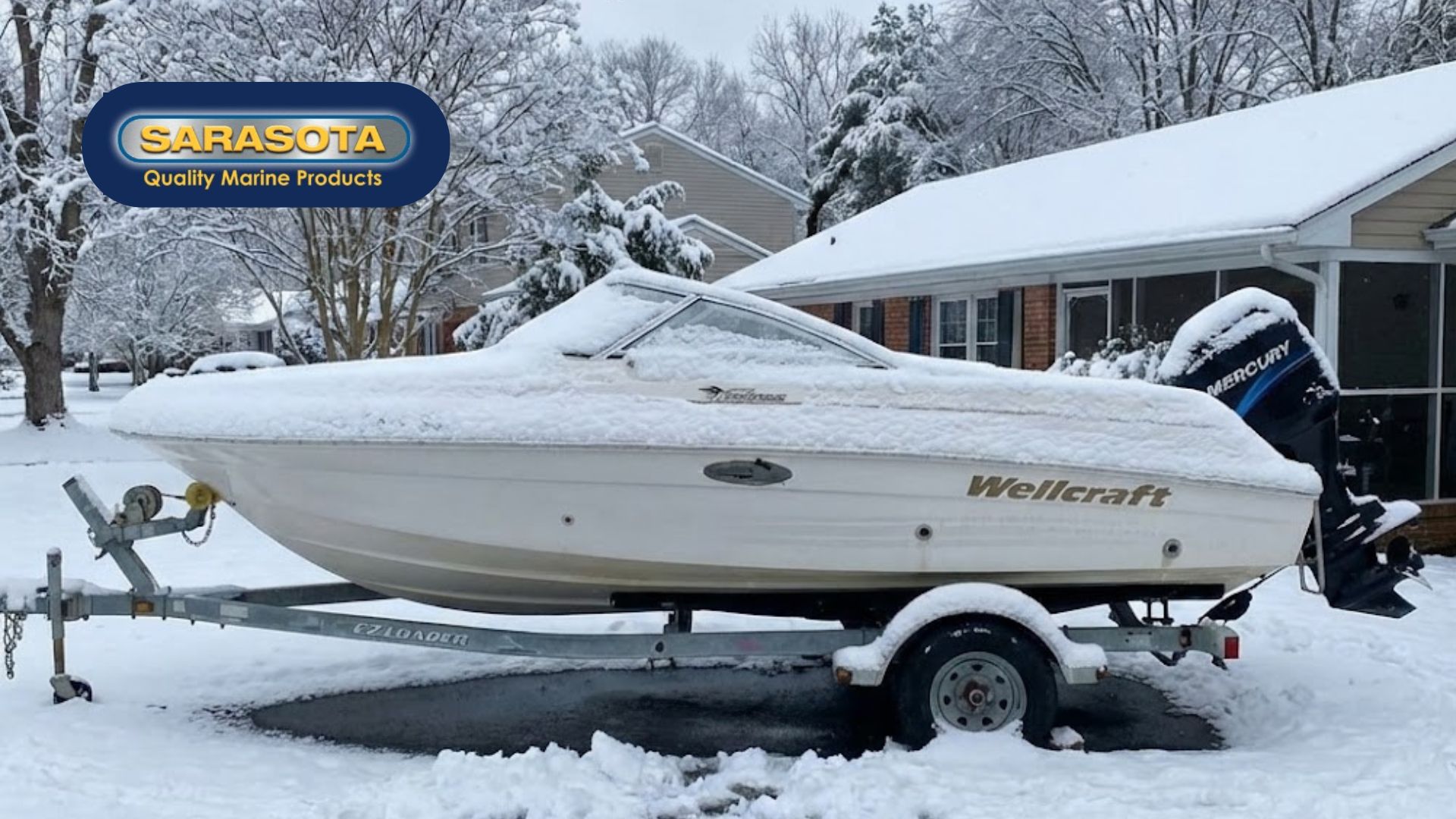
Congratulations on Your Used Boat Purchase—Now What?
Purchasing a used boat is an exciting investment, but unlike buying new, you’re inheriting the previous owner’s maintenance history—or lack thereof. Before you take your vessel out on the water, you need to conduct a thorough security and operational audit. One of the most critical areas to evaluate is your boat’s locking system, along with several other essential checks that will ensure your safety and peace of mind.
Start With the Owner’s Manual
Your first step should be locating the owner’s manual. Ask the seller if they have the original documentation, or check the boat’s cabin, storage compartments, or engine compartment where manuals are often stored. The owner’s manual is your roadmap to understanding your boat’s systems, including:
- The location and function of all compartments and hatches
- Recommended maintenance schedules for locks and latches
- Proper operation of security features
- Warranty information that may still be valid
- Specifications for replacement parts
If the manual is missing, contact the boat manufacturer directly or search online for a digital copy using your boat’s make, model, and year. Familiarizing yourself with the manual before your first outing could prevent costly mistakes and help you identify potential issues.
For a broader checklist beyond hardware—covering what to inspect and ask before you buy—see Sarasota Quality Products’ Smart Angler’s Guide to Buying a Used Bass Boat: https://sarasotaqp.com/smart-anglers-guide-buying-used-bass-boat/
Inspect All Locks and Latches Thoroughly
Once you understand your boat’s layout, systematically check every lock and latch. Open and close each hatch, compartment door, and storage locker. Look for:
- Smooth operation without grinding or resistance
- Keys that turn easily without forcing
- Latches that engage fully and hold securely
- Signs of corrosion, rust, or salt damage
- Missing or broken components
The marine environment is notoriously harsh on hardware. Saltwater, humidity, and constant vibration can compromise even sturdy components over time. A latch that sticks or a key that requires excessive force may indicate internal corrosion or misalignment—problems that will only worsen if ignored.
Assess Your Key Situation
One of the most common frustrations for used boat owners is inheriting a “janitor’s keychain”—a bulky ring of identical-looking keys for the rod locker, battery compartment, cabin door, electronics dash, and engine hatch. Managing multiple keys is not only inconvenient but can be a liability during an emergency when you need quick access to safety equipment or tools.
Ask the seller for all available keys and test each one. Note which keys work and which compartments they secure. If keys are missing or don’t work, you’ll need to address this before taking the boat out.
Check for Water Damage and Corrosion
Inspect the areas around locks and latches for signs of water intrusion. Look for:
- Discoloration or staining around hatch seals
- Soft spots in wood or fiberglass near compartments
- Mold or mildew odors when opening storage areas
- Rust stains or white corrosion deposits on metal hardware
Water damage can compromise the integrity of your boat’s structure and the functionality of your locking system. If you notice significant issues, have a marine surveyor inspect the boat before completing your purchase or negotiating repairs.
Test All Safety Equipment Access
Beyond security, verify that you can quickly access critical safety equipment:
- Life jackets and personal flotation devices
- Fire extinguishers
- First aid kits
- Emergency flares and signaling devices
- Bilge pump and manual bailers
Some compartments may have non-locking latches for quick emergency access. Ensure these operate smoothly and that you know their locations before heading out on the water.
Review Maintenance Records
Ask the seller for any maintenance records related to the locking system and hardware. This documentation can reveal:
- When locks were last serviced or replaced
- Any recurring issues with specific latches
- Parts that have been upgraded or repaired
- The overall care level of the vessel
If records are unavailable, budget for a professional inspection of your boat’s security system by a marine technician.
Consider a Professional Security Audit
If you’re uncertain about the condition of your boat’s locks and latches, or if you’ve inherited a complex system with numerous keys, consider having a marine hardware specialist evaluate your setup. They can identify worn components, recommend replacements, and discuss security upgrades.
Simplify Your Key System
If you find yourself juggling a dozen different keys for your used boat, there is a streamlined solution available. Sarasota Quality Products can rekey all of your locks to one single lock pattern. This means that while you will still have multiple physical keys to distribute to family or keep as spares, they will all be the same key. This “one-key” system eliminates the guesswork at the dock, allowing you to secure your entire vessel with a single turn. It’s a practical upgrade that transforms the frustration of managing multiple keys into the simplicity of one.
Conclusion
Buying a used boat requires diligence, but taking time to evaluate your locks, latches, keys, and overall security system is an investment in your safety and enjoyment. Start with the owner’s manual, systematically inspect every component, and don’t hesitate to seek professional help if needed. With these steps completed, you’ll have confidence in your vessel and can focus on what matters most—enjoying your time on the water.
For more information about marine hardware solutions and rekeying services, contact Sarasota Quality Products today.